
Interactive Content Marketing Trends 2026 Examples: How to Build Campaigns That Actually Convert
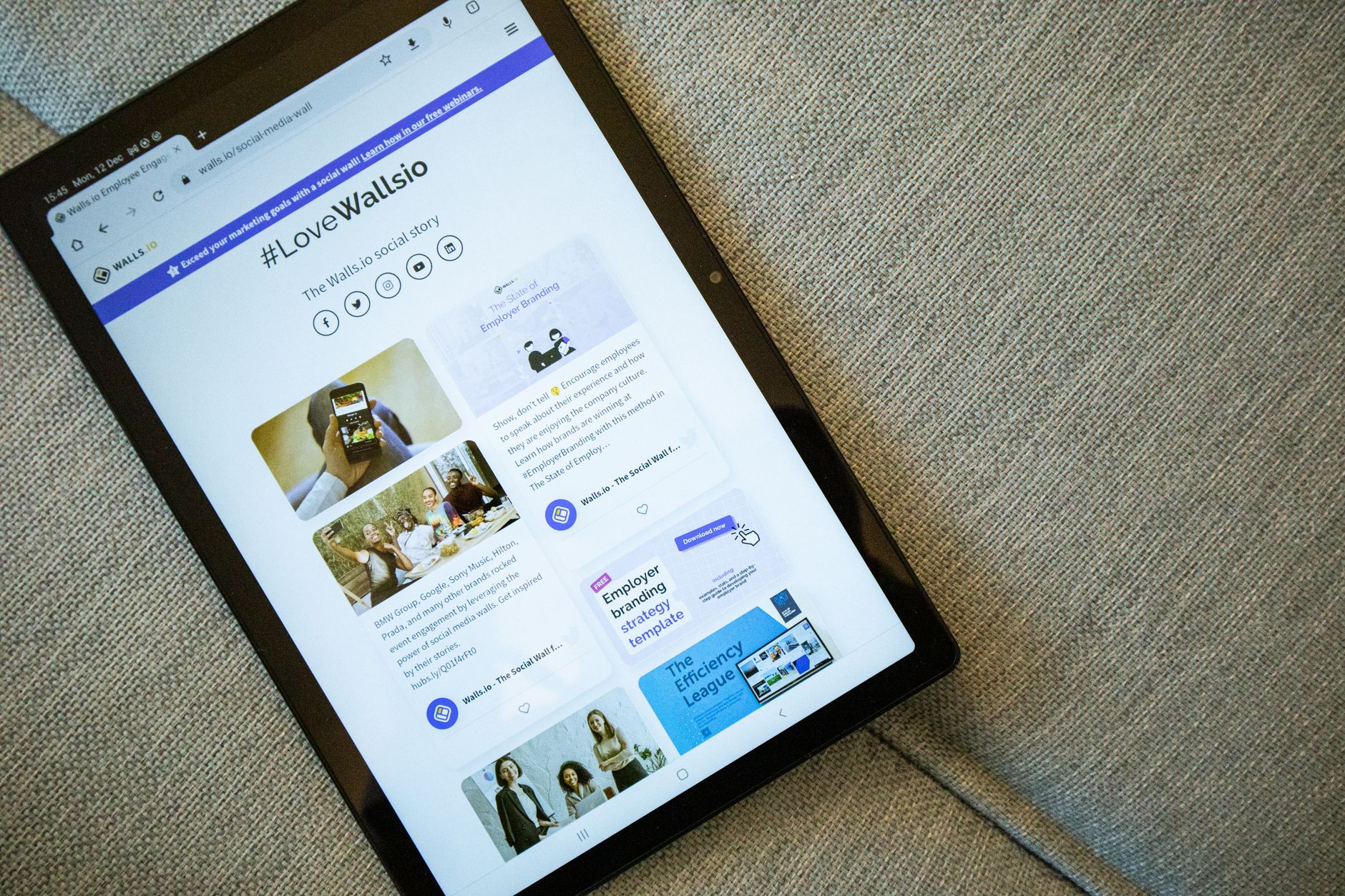
The marketing world is shifting under our feet. Every platform algorithm is favoring dwell time over impressions. “Marketing is changing! 2026 Social Media Marketing Trends” has been trending across LinkedIn and X for weeks, and here’s what that noise actually means for you: static content is bleeding reach while interactive formats are getting algorithmic priority everywhere from Instagram’s engagement-based ranking to LinkedIn’s dwell-time metrics. The brands winning right now aren’t just posting more—they’re engineering participation.
If you’re still measuring success by pageviews and likes, you’re optimizing for the wrong decade. This guide breaks down interactive content marketing trends 2026 examples that are driving measurable conversions, not just vanity metrics. These aren’t theoretical predictions—they’re formats already delivering ROI for early adopters.
Why Passive Content Is Losing Ground in 2026
Let’s start with the uncomfortable truth. Average time-on-page for traditional blog posts dropped 23% in 2025, according to Parse.ly’s latest content benchmarks. Meanwhile, interactive experiences—quizzes, calculators, configurators, and branching narratives—are averaging 4.7x longer engagement sessions.
The psychology is straightforward. Passive reading requires motivation from the user. Interactive content creates obligation through participation. Once someone invests 90 seconds configuring a product or answering assessment questions, they’ve developed psychological ownership of the outcome. They’re not bouncing—they’re converting.
Here’s what’s changed specifically in 2026: AI infrastructure has made sophisticated interactivity affordable at scale. What required $50,000 custom development in 2023 now deploys through no-code platforms in an afternoon. The barrier isn’t technical anymore—it’s strategic imagination.
Trend 1: Outcome-Based Configurators (Not Product Browsers)
The old model: show every feature, hope something sticks. The 2026 model: ask three diagnostic questions, then generate a personalized outcome with specific next steps.
Example in action: Notion’s workflow configurator doesn’t ask “what template do you want?” It asks “what’s your biggest productivity pain point?”—then builds a workspace architecture based on your role, team size, and primary workflow type. Conversion to paid? 34% higher than their static template gallery.
How to implement this week:
- Identify your three highest-leverage customer segments
- Design a 3-4 question diagnostic that genuinely helps them categorize themselves
- Generate three distinct outcome paths with specific, actionable deliverables
- Gate the detailed output behind email capture (not the entire experience)
The key distinction: these aren’t thinly disguised lead forms. The user must receive genuine value before any conversion ask. That trust moment is what separates 2026’s winners from the spam-filtered past.
Trend 2: Branching Narrative Experiences
Choose-your-own-adventure isn’t just for fiction anymore. B2B brands are using branching narratives to let prospects self-educate through their own priority sequence.
Example in action: HubSpot’s “Marketing Maturity Assessment” doesn’t deliver a generic score. It branches based on whether you identify as under-resourced, over-ambitious, or process-stuck—then serves a completely different educational path with case studies matched to your specific bottleneck. Their data shows 67% of completers share their results, creating organic distribution.
The technical reality: Tools like Outgrow, Involve.me, and even Typeform’s 2026 logic jumps make this accessible without engineering teams. Budget $200-500/month for tools, not $20,000 for custom builds.
Pro tip for 2026: Embed these directly in LinkedIn articles and newsletters. LinkedIn’s algorithm now weights dwell time heavily in distribution decisions, and branching content keeps readers on-page 3-4x longer than static equivalents.
Trend 3: Real-Time Collaborative Content
The pandemic-era Zoom fatigue is reversing. Synchronous, collaborative experiences are becoming premium content formats—especially in B2B where buying committees need shared context.
Example in action: Miro’s “Strategy Sprints” aren’t webinars. They’re facilitated, interactive workspaces where distributed teams actually build something together in 45 minutes—while Miro’s product is the obvious infrastructure. Attendance-to-trial conversion runs 41%, compared to 8% for their traditional webinar funnel.
Smaller-scale implementation:
- Host monthly “build-along” sessions where participants complete a template live
- Use shared polling and whiteboarding even in standard presentations
- Create “team challenges” that require multiple stakeholders to complete
The 2026 insight: individual lead capture is becoming less valuable than committee activation. Getting three people from the same account engaged simultaneously shortens sales cycles dramatically.
Trend 4: Predictive Personalization Without Creepiness
Third-party cookie deprecation isn’t a constraint—it’s a forcing function for better interactivity. The best 2026 examples ask instead of track.
Example in action: Sephora’s “Skincare Routine Builder” doesn’t rely on browsing history. It asks explicit preference questions about texture, scent sensitivity, time constraints, and budget—then generates a regimen with educational content attached. First-party data collection this explicit converts at 2.3x the rate of inferred personalization, per their reported Q1 2026 metrics.
The strategic framework:
- Map what you wish you knew about prospects
- Design transparent questions that help them simultaneously
- Use progressive profiling—each interaction deepens the profile without repeating questions
- Always show the user exactly what you’re using their input for
This builds the data foundation that cookies used to provide, but with actual trust attached.
Trend 5: Micro-Interactive Embedded in Static Formats
Not every piece needs to be a full interactive experience. The 2026 efficiency play is embedding lightweight interactivity within otherwise traditional content.
Example in action: The New York Times’ cooking section now embeds adjustable portion calculators directly in recipes. Bon Appétit follows with ingredient substitution toggles. These aren’t separate tools—they’re micro-interactions that transform a passive read into an active planning session.
Content marketing applications:
- ROI calculators embedded in case studies
- “Rate your current state” sliders in thought leadership
- Simple polls that reveal benchmark comparisons
- Progress checkers in long-form guides
These typically add 40-60% to time-on-page with minimal development overhead. They’re the gateway drug to fuller interactive investment.
Measuring What Actually Matters in 2026
Stop reporting completion rates as success. The metric that correlates with revenue is meaningful interaction depth—how many decision-useful inputs did the user provide?
Track these instead:
- Qualification signal density: How many segmentation questions did they answer?
- Outcome action rate: Did they download, share, or schedule from their personalized result?
- Return rate: Do they come back to update or refine their interactive output?
- Sales cycle influence: For B2B, does interactive engagement correlate with faster progression?
Tools like Heap, Amplitude, and even enhanced Google Analytics 4 now track these interaction-specific events without custom implementation.
Conclusion: Start With One Participatory Moment
You don’t need to rebuild your entire content operation. The brands seeing results from interactive content marketing trends 2026 examples started with single, focused experiments.
Pick your highest-traffic static asset. Add one diagnostic question. Create two outcome branches. Measure whether those who engage with the interactive element convert differently than your baseline.
The shift from passive consumption to active participation isn’t a trend—it’s a permanent structural change in how attention economics work. The algorithms, the buyers, and the competitive dynamics all reward content that earns engagement rather than merely capturing impressions.
Your 2026 content strategy doesn’t need more volume. It needs more involvement. Start building that first interactive piece this month, and measure what happens when your audience stops scrolling and starts participating.
Like what you're reading?
Check out our recommended partner for this niche.
Get BerryBloom Content →