
Content Marketing for Logistics Companies: The 2026 Playbook for Turning Tracking Numbers Into Trust
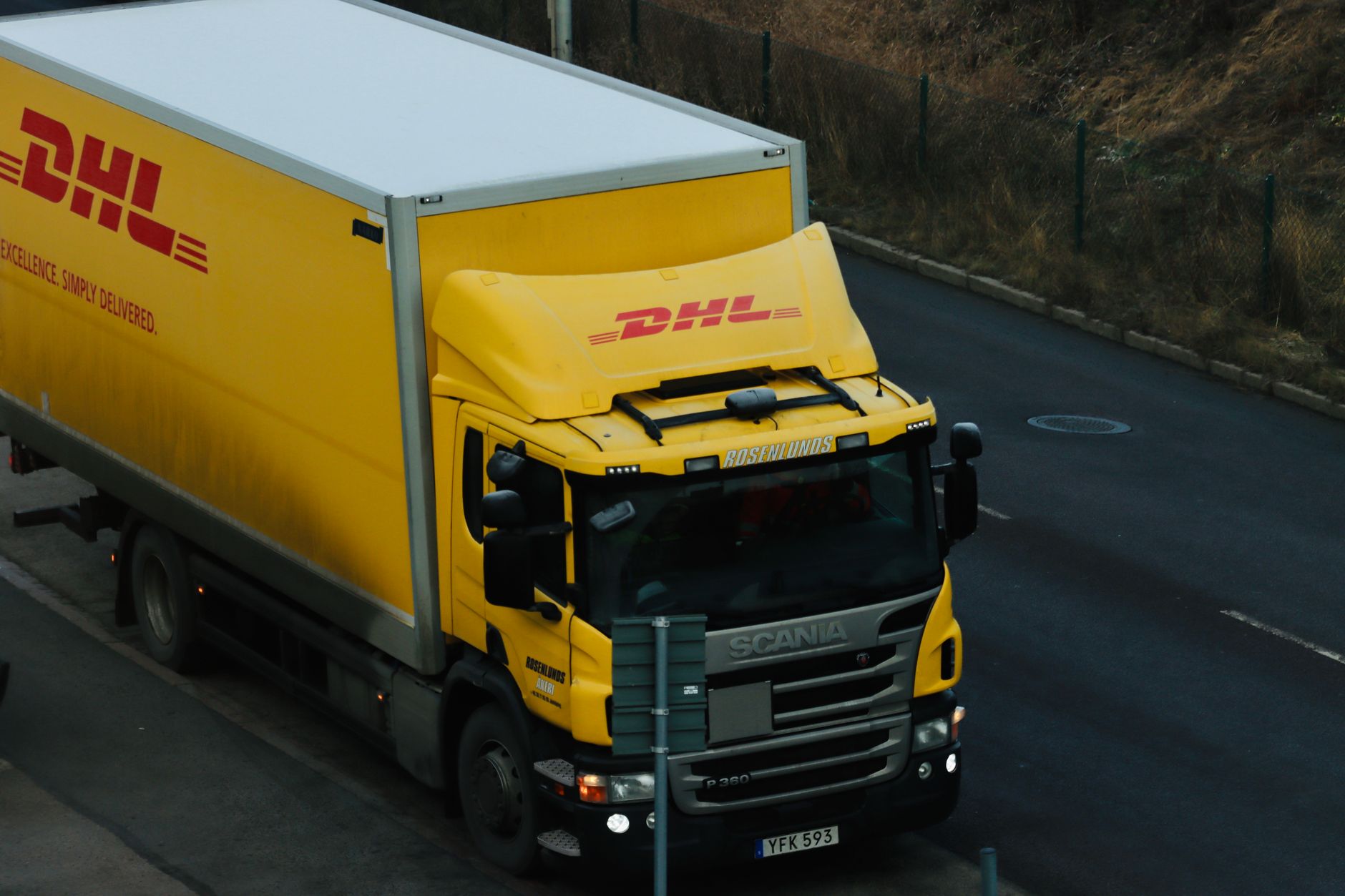
The logistics industry is living through its most disruptive summer since 2020. With the Panama Canal still navigating drought restrictions, nearshoring to Mexico surging 42% year-over-year, and AI-driven freight matching platforms rewriting rate negotiations in real time, shippers have more options than ever—and less patience for empty promises. In this environment, the carriers and 3PLs winning contracts aren’t the ones with the flashiest ads. They’re the ones publishing detailed lane analyses, transparent disruption playbooks, and founder-led stories about how they actually moved that impossible load during the Port of Los Angeles strike.
Content marketing for logistics companies has evolved far beyond “Top 10 Shipping Tips” listicles. In 2026, it’s about proving operational competence before the first sales call happens. Here’s how the smartest logistics brands are building content engines that convert skeptical supply chain managers into long-term partners.
Why Generic Content Fails in Freight: The Trust Gap Problem
Logistics buyers operate under a brutal reality: choosing the wrong carrier can shut down production lines, trigger retail stockouts, or violate customer SLAs with millions on the line. This isn’t a software purchase where you can rollback if the integration flops. A failed cold chain delivery destroys inventory permanently.
Most logistics content completely ignores this psychological dynamic. It leads with generic value propositions—“reliable, on-time delivery”—that every competitor claims equally. Worse, it often reads like it was written by marketing generalists who’ve never stepped onto a loading dock.
The fix? Operational specificity. The logistics content that performs in 2026 includes:
- Actual lane data: “Our Memphis-to-El Paso dry van route averaged 34.2 hours in Q2, with 97.3% on-time performance during the I-40 bridge construction detour.”
- Failure transparency: Detailed case studies of loads that went wrong, what triggered the disruption, and the recovery protocol—complete with customer permission.
- Regulatory navigation: Plain-language breakdowns of how new CBP rules, FMCSA hours-of-service tweaks, or Mexico’s Carta Porte 3.0 requirements actually impact specific shipping profiles.
Shippers are essentially hiring operational partners, not vendors. Your content must demonstrate that you’ve already solved problems they haven’t encountered yet.
The Four Content Pillars That Differentiate Modern Logistics Brands
After analyzing 2026’s highest-performing logistics content programs, four distinct pillars emerge. The strongest brands don’t try to cover everything—they dominate one or two, then build outward.
1. Disruption Intelligence & Forecasting Content
With supply chain volatility now the baseline, shippers desperately need forward-looking analysis that helps them pre-position inventory. The most effective logistics content in this pillar includes:
- Seasonal disruption calendars: Not generic “peak season” warnings, but specific forecasts like “Based on 2023-2025 patterns, expect 3-5 day Memphis LTL delays starting third week of October due to agricultural equipment backhaul competition.”
- Geopolitical lane risk assessments: How the Lázaro Cárdenas port expansion or Canadian rail labor negotiations specifically impact cross-border freight economics.
- Capacity modeling tools: Interactive (or even simple spreadsheet) content that lets shippers model their own exposure to different disruption scenarios.
This content performs exceptionally well for lead generation because it captures buyers actively searching for solutions to imminent problems.
2. Technical Capability Demonstrations
Modern logistics increasingly involves technology integration—APIs, EDI, real-time visibility platforms, AI-powered ETA predictions. Yet most logistics websites bury these capabilities in feature lists that mean nothing to operations managers.
Winning content here includes:
- Integration documentation: Actual API endpoint examples, webhook schemas, and EDI 204/990 transaction samples published openly.
- Data transparency samples: Screenshots of real (anonymized) tracking dashboards showing exception handling, not just the happy path.
- Engineering team content: Developer blog posts explaining how your ETA prediction model handles weather rerouting, or how your geofencing logic accounts for multi-stop milk runs.
This pillar particularly attracts mid-market and enterprise shippers with technical evaluation committees. It also filters out prospects who aren’t ready for sophisticated partnerships.
3. Founder & Operator Storytelling
Logistics remains fundamentally a relationship business. The 2026 brands seeing strongest content engagement are putting their operators—not polished marketing spokespeople—front and center.
Effective formats include:
- Load story podcasts: 15-20 minute episodes where dispatchers or account executives walk through genuinely complex moves—oversized permitting nightmares, multi-modal handoffs, emergency charter arrangements.
- “Day in the terminal” video series: Unscripted footage showing actual cross-dock operations, driver check-in processes, or customs brokerage document reviews.
- Customer co-created content: Joint webinars where your operations manager and the shipper’s logistics director discuss a solved challenge together, with both sides speaking candidly.
This humanizes your brand in an industry where buyers deeply distrust faceless corporate entities. It also creates defensible content—your competitors can’t replicate your people’s specific expertise and stories.
4. Sustainability & Compliance Documentation
With Scope 3 emissions reporting now mandatory for many publicly traded shippers, and California’s CARB regulations tightening annually, environmental content has shifted from nice-to-have to procurement-critical.
High-performing logistics sustainability content includes:
- Emission calculation methodologies: Specific explanations of how you calculate CO2 per ton-mile, including your data sources and acknowledged limitations.
- Equipment transition roadmaps: Transparent documentation of your fleet electrification or alternative fuel timeline, with realistic constraints (“Our terminal in X city lacks sufficient charging infrastructure until 2028”).
- Compliance audit preparation: Content explicitly designed to help shippers’ sustainability teams prepare for third-party verification of their logistics emissions claims.
This content often directly supports RFP responses and contract renewals, making it among the highest-ROI content investments for logistics companies.
Measuring What Actually Matters: Logistics Content KPIs
Logistics content marketing fails when it’s measured by generic B2B SaaS metrics. A blog post that generates 10,000 pageviews but zero qualified shipper conversations is worthless. Your measurement framework should prioritize:
- Lane-specific inbound inquiries: Track which content pieces produce requests quoting actual freight movements, not just “tell me about your services.”
- RFP reference frequency: Survey your sales team quarterly—which content assets do prospects voluntarily mention during evaluations?
- Sales cycle acceleration: Compare close rates and velocity for opportunities exposed to your content program versus cold outreach alone.
- Retention correlation: Do customers who engage with your ongoing content (newsletters, disruption alerts) renew at higher rates and expand faster?
One 2025 study of mid-sized 3PLs found that shippers who consumed three or more pieces of operational content before contracting showed 34% higher first-year retention and 28% faster expansion to additional lanes. The content wasn’t just marketing—it was pre-sales onboarding that reduced post-contract friction.
Building Your Logistics Content Engine: The 90-Day Launch
Starting from zero? Here’s a focused approach that avoids the common trap of producing thin, generic content at volume:
Days 1-30: Mine your operational data. Interview your five best account executives and dispatchers. Extract 10 specific stories of challenging loads, unusual solutions, or near-misses that became wins. These become your foundational content assets.
Days 31-60: Build one pillar deeply. Choose whichever pillar aligns with your current competitive positioning—disruption intelligence if you’re strong on forecasting, technical demos if your tech stack differentiates you, operator stories if your people are your edge. Create 3-4 substantial pieces in this pillar, not scattered attempts across all four.
Days 61-90: Establish distribution rhythm. Logistics buyers live in specific channels—LinkedIn for relationship-building, industry newsletters like FreightWaves for trend awareness, direct email for operational updates. Pick two channels and commit to consistent presence rather than spraying content everywhere.
Most importantly, involve your operations team in content creation from day one. Logistics content written entirely by marketers reads like logistics content written entirely by marketers. The minor polish sacrifice of incorporating operator voice is more than offset by the credibility gain.
The Bottom Line
Content marketing for logistics companies in 2026 is fundamentally about operational proof before personal contact. Shippers are overwhelmed with options, scarred by past carrier failures, and operating under tighter accountability than ever. The brands building market share aren’t shouting loudest—they’re publishing the specific, technical, sometimes uncomfortable truths that demonstrate they’re competent partners worth the contract risk.
Your next shipper is searching right now for how to handle Q4 capacity crunches, or whether Mexico nearshoring makes sense for their commodity, or how to verify a carrier’s emissions claims. The question is whether they’ll find your operational expertise—or your competitor’s.
Like what you're reading?
Check out our recommended partner for this niche.
Get BerryBloom Content →